Varnox Ale House Journal Varnox Ale House Journal · Seattle
An open notebook and pen resting on a bar top under warm closing-hour light

About the journal

Who writes the Varnox Ale House Journal

An independent blog about the Miller's Ale House casual-dining sports-bar experience, written from Seattle by people who eat in these rooms often enough to notice when the fries change.

Independent No affiliation with the chain We buy our own food Seattle notes

Our beat, stated plainly

Varnox is an independent editorial blog about the Miller's Ale House casual-dining sports-bar experience. We are not the chain, we do not operate any of its locations, and we take no money from it. What we do is visit, order, and write down what we find, then compare those notes across visits until a pattern shows up.

One chain, one category. Miller's Ale House sits in the casual-dining sports-bar lane alongside a lot of similar rooms, so we keep the scope narrow on purpose: menu items, game-day atmosphere, and neighborhood dining in Seattle and comparable markets. If a story needs a different restaurant to make sense, we mention it once and move on.

That narrow scope is the point. A blog that reviews everything reviews nothing well, and a menu that changes by location and season cannot be covered by one person ordering once. We stay on eight things — the burger-and-fries combo, the Osso Buco entrée, the draft program, mocktails, football viewing, Zingers®, the chain itself, and its neighborhood positioning — and we let the rest of the dining world alone.

Hands writing on a paper ticket at a restaurant service pass under warm kitchen light

Field work

Notes get written during the visit, not reconstructed from memory a week later.

How a field note starts, and what goes in it

A visit, usually with two to four people, because the menu is built for groups. We order across categories rather than deep in one, so the table has an appetizer, something from the signature chicken lineup, an entrée, and a drink that is not beer we can compare against. Photos are taken of the table, never of the room — a picture of a crowded bar tells you almost nothing about whether the food held.

The house rules

VisitsTwo minimum per claim Table sizeTwo to four people Order shapeAcross categories PhotosThe table, not the room

If a question needs more than two visits to answer honestly, the article says so instead of stretching a small sample into a verdict.

Timing and portion behavior

Logged every visit

How long food took, whether the plate read as a share or a solo order, and whether the second visit matched the first. Portions are the first thing chains get wrong when a room fills, so they get their own line every time.

Which of the 35+ beers were actually pouring

Tap program

A promoted tap list and a working tap list are different documents. We note what came out of the line that day, in which pour size, and whether a 23 oz. order changed how long the table stayed.

How boneless chicken holds in each format

Zingers®

The chain describes Zingers® as crispy, hand-breaded boneless chicken, and it shows up in combos, salads, wraps, and platters. A wrap and a platter behave very differently on a table, so we order it at least twice per visit in different formats when we can.

The room under load

Service pressure

What the kitchen and the floor do when the bar is full. This is where a weekday dinner and a playoff Sunday stop being the same restaurant, and where most casual-dining notes fall apart.

Where the questions come from, and who pays

Reader messages set the calendar

The questions we see most often are practical: what to order first, whether the place works for a game, and whether it is better for lunch, dinner, or late-night. Those become sections rather than listicles. A question about Osso Buco, for instance, turned into a piece about how a sports bar sells a dinner-like entrée without losing its casual identity.

Send a story tip

Independence and money

We do not accept payment for coverage, and no location has ever asked us to. There are no sponsored menu features here, no affiliate links to order ahead, and no partner content doing quiet work. If that changes, the relevant page will say so at the top in plain language, and ads, if they ever appear, will be labeled as ads.

Corrections

If we get a menu detail wrong, say so through the contact page and we will fix the copy and note the change at the bottom of the article. We do not silently edit. A correction is not an embarrassment; it is the only way a blog about a changing menu stays usable a year later.

Send a correction

What we avoid, and why the Seattle view matters

The chain is Florida-based and our vantage point is Seattle. That gap is useful: it keeps us from assuming that what works in one market carries over to another.

  • Rankings that imply we ate the whole menu

    We have not eaten every item at every location, so a numbered ranking from first to last would be a guess wearing a lab coat.

  • Predictions about new menu launches

    Menu changes come from the company, not from us. When something is seasonal or limited, we say it is seasonal and wait rather than treating a temporary item as permanent.

  • Nutrition, sourcing, and price claims

    We only repeat what we can check against the chain's own published material. Prices vary by location and drift without notice; nutrition figures we cannot verify stay out of the copy.

  • Superlatives like best in Seattle

    We are not qualified to crown anything, and the claim would be unverifiable anyway. What we can do is describe a specific room on a specific night, which is more useful to a reader deciding where to eat.

Visits are paid for by us. When a visit happens during a promotional period, the write-up says so. For game-day coverage we note the day of the week and the kickoff time, because a Saturday afternoon room and a Monday night room are not the same experience. We describe a location's habits as habits rather than brand policy, and we say which location we are describing.

What one visit actually records

Not ratings out of ten. The four lines below are the shape of a normal entry in our notes, written at the table.

Arrive

Time in, day of the week, and how full the room already was

A Tuesday at seven and a Sunday at noon do not produce the same notes.

Order

Categories ordered, formats chosen, and what the table shared

Zingers® in a platter versus a wrap gets its own line for a reason.

Watch

Timing under load, portion behavior, and whether the check came when we asked

These are the observations that survive a second visit, or do not.

Return

Whether the same order held on a different night

The second visit is where a note becomes a review we are willing to publish.

The team behind the notes

A small group of writers who eat in casual-dining sports bars regularly and take notes badly enough that we had to build a system. The system is now this site. Nothing here is written from a press release, and nothing is written from memory alone.

Reader tips and corrections reach the same place as everything else, and they shape what gets written next more than any content plan does. If you have eaten at a location recently and the menu reads differently than our notes suggest, that message is worth more to us than a compliment.

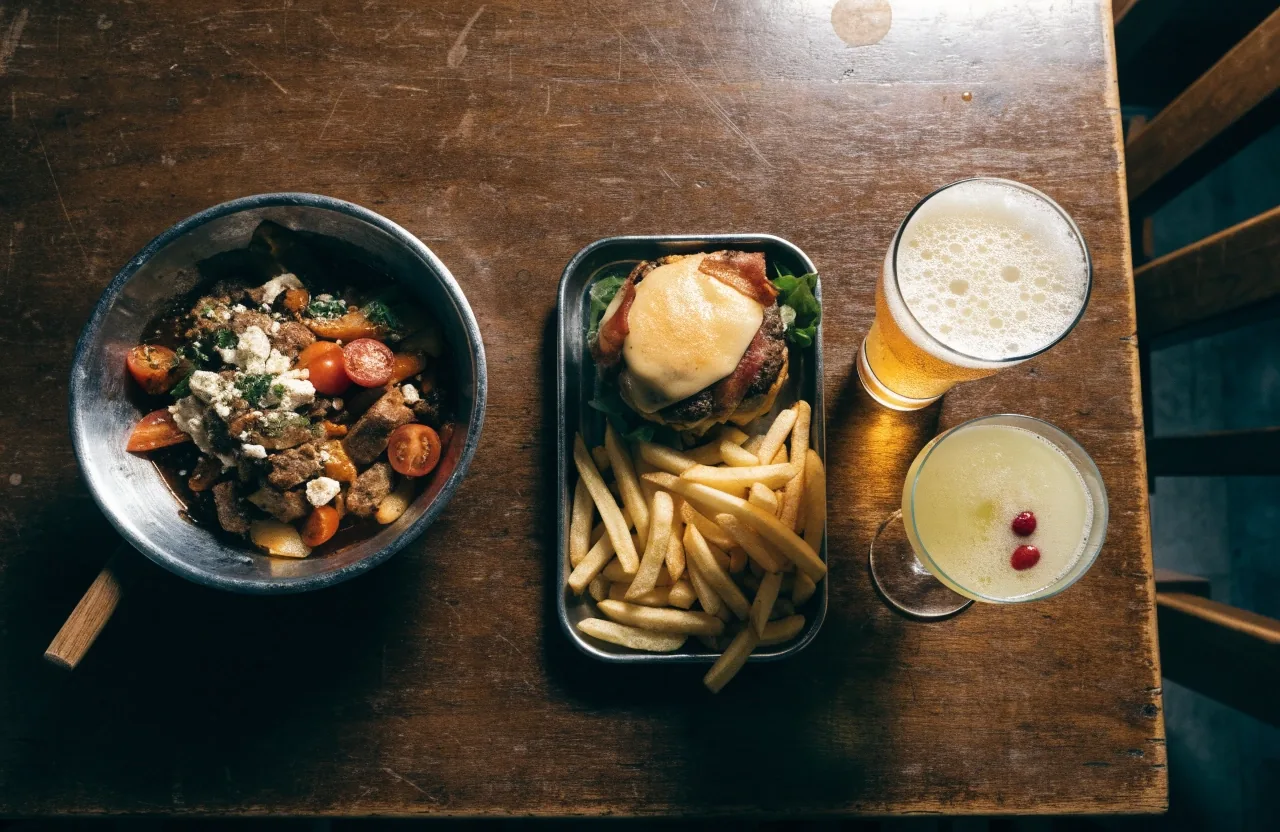
An overhead table of shared appetizers, a burger and fries, a pint and a mocktail at a sports bar
A typical note-taking table: one shareable, one entrée, one drink that is not beer, so the categories can be compared side by side.

Questions we get about the coverage

Short answers to the things readers ask before they trust a blog about a chain. More detail lives on the standards page.

Read our editorial standards
Who actually writes these pieces?

A small group of writers who eat in casual-dining sports bars often enough to notice when the fries change. We are not affiliated with Miller's Ale House, and we do not run its locations. What we bring is repetition: the same orders, the same rooms, at different hours and on different days of the week.

How many visits go into a published note?

Two at minimum before we publish a claim about how an item behaves, ideally at different hours, with the same order both times. Where a topic needs more than two visits, we say so in the article rather than stretching a small sample. That is the rule that keeps a note about a changing menu usable a year later.

Does the chain pay for any of this?

No. We buy our own food and take no payment from the chain or its suppliers. There are no sponsored menu features and no affiliate links to order ahead. If a visit happens during a promotional period, the write-up says so, and we do not treat a temporary item as though it were permanent.

What happens when you get something wrong?

Send the page and the sentence through the contact page. We check it against the chain's published material and, where it matters, against a second visit. Corrections get a dated note at the bottom of the article rather than a silent edit, and the original wording stays visible in the article history.

Can a reader tip become an article?

Often, if it falls inside the eight things we cover. We verify a tip with our own visit before publishing it. If we cannot verify it, it does not run as a claim. Anonymity is available on request and does not change how carefully the detail is checked.

Where to go next in the journal

Start with the menu piece if you are ordering tonight. The game-day guide is the one to read before a weekend kickoff, especially with a group bigger than four. Neighborhood dining notes cover the repeat-visit question, and the standards page explains how corrections work.